Cobá Mayan Ruins Guide 2025: The Least Touristy Archaeological Site in the Riviera Maya
November 7, 2025 · 30 min read · By Josue
Cobá: The Least Touristy Archaeological Site in the Riviera Maya - Complete 2025 Guide
While thousands of tourists pack into Chichén Itzá and Tulum, there's an archaeological gem hidden in the Mayan jungle where you can still feel the magic without the crowds: Cobá.
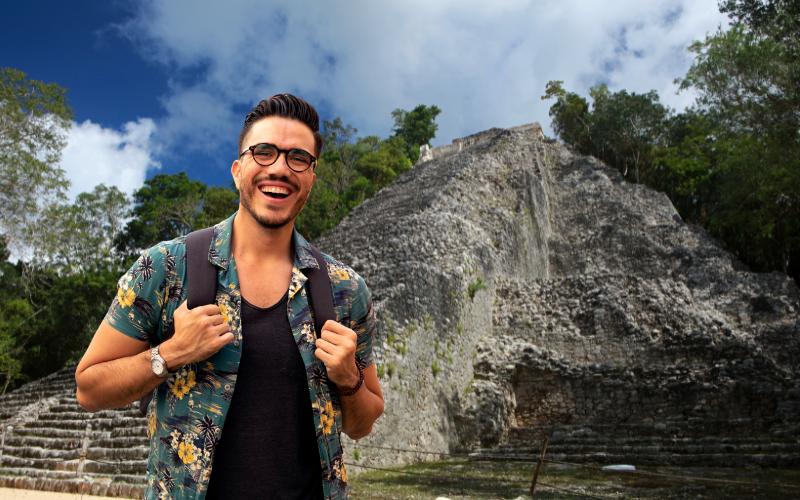
With the 42-meter Nohoch Mul pyramid (the tallest in Yucatán), 80 km² of ruins wrapped in untouched jungle, and the chance to explore it all by bike among ancient structures, Cobá offers an authentic archaeological experience straight out of an Indiana Jones movie. In this complete guide, I'll tell you everything you need to know to visit in 2025.
📑 Table of Contents
- Why Is Cobá So Special?
- The History and Meaning of Cobá
- Nohoch Mul: The Tallest Pyramid in Yucatán
- What to See in Cobá: Main Structures
- 2025 Prices and Hours
- How to Get to Cobá
- Cobá Tours: Options and Recommendations
- How Much Time Do You Need?
- What to Bring: Essential Checklist
- Best Time to Visit
- Cenotes Near Cobá
- Cobá vs. Chichén Itzá: Which Should You Visit?
- Cobá vs. Tulum: How They Compare
- Exploring Cobá by Bike: The Best Experience
- Where to Eat Near Cobá
- Important Rules and Restrictions
- Frequently Asked Questions
🏛️ Why Is Cobá So Special?
The Perfect Alternative to Chichén Itzá (Without the Crowds)
While Chichén Itzá gets 8,000-15,000 visitors a day, Cobá sees just 1,000-3,000. That means you can:
- ✅ Explore without getting jostled by tour groups
- ✅ Take photos without 50 people in the background
- ✅ Enjoy the experience in peace
- ✅ Soak up the mystical atmosphere of the ruins
The Tallest Pyramid in Yucatán
Nohoch Mul stands 42 meters tall (138 feet), topping:
- Kukulkán (Chichén Itzá): 30 meters
- El Castillo (Tulum): 7.5 meters
- Every other pyramid in Yucatán
Current note: Although climbing Nohoch Mul is NOT currently allowed for preservation reasons, the pyramid is still impressive from below, and you can take in its majesty surrounded by untouched jungle.
Other Unique Attractions in Cobá:
- 🌳 Untouched jungle: 80 km² surrounded by pristine nature
- 🚴 Bikes and tricycles: Ride 5 km between structures (a one-of-a-kind experience)
- 📸 Less touristy: Photos without crowds and an authentic atmosphere
- 🏞️ 5 natural lakes: Cobá means "water stirred by the wind"
- 🗺️ Longest sacbé: A 100 km white road (sacbé in Maya) all the way to Yaxuná
- 🦜 Wildlife: Spider monkeys, toucans, and coatis in their natural habitat
- 🏛️ 90% unexcavated: A sense of discovery, with pyramids still covered by jungle
- 🚴 Active adventure: You don't just walk, you also pedal among the ruins
Fun Fact:
Cobá was one of the largest and most powerful Mayan cities, with 50,000 inhabitants at its peak (600-900 AD). It controlled a network of 50 sacbés (white roads) connecting cities throughout the region and was a direct rival of Chichén Itzá for power on the peninsula.
Why Isn't It More Crowded?
- More remote location (45 min from Tulum vs. Chichén Itzá, which is easier to reach from Cancun)
- Less promoted than Chichén Itzá or Tulum
- Takes more physical effort (far more walking/biking than other sites)
- It's not a "Wonder of the World" like Chichén Itzá
And that's exactly what makes it special. It's for travelers looking for authentic experiences, not selfies in overcrowded spots.
📜 The History and Meaning of Cobá
Timeline:
- 100 AD: First settlements
- 600-900 AD: Golden age (Late Classic period)
- 1000 AD: The decline begins
- 1400 AD: City virtually abandoned
- 1891: Rediscovered by archaeologists
- 1970s: Formal excavations begin
- Today: Only 10% has been excavated
Why Is It Called Cobá?
"Cob-Há" means "murky water" or "water stirred by the wind" in Maya, a reference to the five lakes surrounding the city: Cobá, Macanxoc, Sacalpuc, X'canhá, and Huinchil.
Strategic Importance:
- Trade hub: On the route between the coast and the interior
- Rival of Chichén Itzá: The two cities competed for power
- Unique influence: A blend of architectural styles from the Petén (Guatemala) and the Yucatán Peninsula
- Sacbé network: The most extensive road system in the Mayan world
What Happened to Cobá?
Around 1000 AD, Chichén Itzá gained power and control of trade. Cobá lost its influence and was gradually abandoned. The jungle reclaimed the city, hiding it for centuries until its rediscovery.
🗿 Nohoch Mul: The Tallest Pyramid in Yucatán
Technical Details:
- Name: Nohoch Mul ("Great Mound" in Maya)
- Height: 42 meters (138 feet) - equivalent to a 12-story building
- Steps: 120 steps
- Incline: 45-60 degrees (very steep)
- Period: 600-900 AD (Late Classic)
- Style: Similar to Tikal (Guatemala) - Petén influence
- The tallest pyramid on the entire Yucatán Peninsula
Architectural Features:
- 🏛️ Temple at the top: A small ceremonial structure on the summit
- 🪨 Construction: Limestone with a rubble-fill core
- 📐 Platforms: 7 stacked levels
- 🎨 Stucco remains: Some fragments of the original decoration are visible
- ⚱️ Purpose: Ceremonial temple and astronomical observatory
The Experience of Seeing Nohoch Mul:
From Below:
- The pyramid rises dramatically out of the jungle
- You can appreciate its massive scale from the base
- Excellent for photography (no obstructions)
- A full view of the structure and its 7 levels
- Original Mayan steps are still visible
- The historic central rope visitors once used is still in place as a reminder
Historical Perspective:
- Imagine Mayan priests climbing it during ceremonies
- From the top, you could survey the entire territory
- The center of Cobá's political and religious power
- The view from the summit reached other Mayan settlements
Current Status (2025):
⚠️ Important: Climbing Nohoch Mul is currently NOT allowed. INAH, Mexico's national heritage institute, closed access to protect the structure from wear caused by millions of visitors. This was a heritage conservation decision, similar to what was done at Chichén Itzá and other archaeological sites.
However, this does NOT diminish the experience:
- The pyramid is still impressive from below
- You can better appreciate the architectural details
- Spectacular photos with no restrictions on angles
- More time to explore the rest of Cobá at a relaxed pace
- The majesty of the structure surrounded by jungle is unforgettable
Why Is It Still Worth Visiting?
- It's the tallest pyramid in Yucatán (an architectural fact)
- The untouched jungle setting is unique
- Cobá is MUCH more than just Nohoch Mul (there are 6,500 structures)
- Biking among the ruins is unforgettable
- An authentic atmosphere without mass tourism
- A perfect pairing with nearby cenotes
Access History:
For decades, Cobá allowed visitors to climb Nohoch Mul while other sites closed theirs. Thousands of visitors got to live that experience. In recent years, INAH decided to close access to make sure future generations can keep admiring this architectural marvel.
Preservation matters more than any individual experience. Thanks to this decision, Nohoch Mul will stand for another 1,400 years.
🏺 What to See in Cobá: Main Structures
Cobá covers 80 km², with 5 main groups of structures. Only 10% has been excavated, which means there are pyramids still covered by the jungle.
1. Cobá Group (Main Entrance)
- La Iglesia (The Church): The second-tallest pyramid (24 meters) - NOT climbable
- Temple of the Paintings: Remains of original murals
- Ball Court: One of the best preserved
- Stelae: Monuments with hieroglyphic inscriptions
Time: 30-45 minutes
2. Nohoch Mul Group (The Main Pyramid)
- Nohoch Mul Pyramid: The star of the show (42 meters, climbable)
- Smaller structures: Around the base
- Ceremonial plaza: Where rituals were held
Time: 45-60 minutes (includes going up and down)
Distance from the entrance: 2.5 km (20 min on foot, 8 min by bike)
3. Macanxoc Group
- Set of stelae: 8 carved monuments
- Female figures: Unusual in Mayan architecture
- Lake Macanxoc: One of the 5 sacred lakes
Time: 30 minutes
Less visited: Ideal if you're looking for peace and quiet
4. Paintings Group
- Ancient murals: Fragments of original paintings
- Small structures: Secondary temples
Time: 20-30 minutes
5. Sacbé 1 (White Road)
- Original Mayan road: 100 km to Yaxuná
- The longest known sacbé
- Width: 10 meters
- Elevation: 1-2 meters above the ground
- You can walk the first few kilometers
Recommended Route (3 hours):
- Entrance → Cobá Group (30 min)
- Rent a bike/tricycle → Nohoch Mul (45 min total)
- Climb the pyramid (45 min up and down)
- Macanxoc or Paintings Group (optional, 30 min)
- Head back and exit
Short Route (1.5-2 hours):
- Entrance → Cobá Group (a quick 20 min)
- Straight to Nohoch Mul by bike (30 min)
- Climb the pyramid (45 min)
- Head straight back
💰 Updated 2025 Prices and Hours
Admission:
| Item | Price | Notes |
|---|---|---|
| General admission | $95 pesos | Mexican nationals and residents |
| Admission for foreign visitors | $95 pesos | Same price |
| Children under 13 | FREE | With ID |
| Students/teachers | FREE | With a valid ID card |
| Seniors (60+) | FREE | Mexican nationals, with INE (Mexican voter ID) |
| Parking | $50-100 pesos | Depending on vehicle size |
On-Site Rentals:
| Service | Price | Details |
|---|---|---|
| Bike (1 person) | $50 pesos | All day |
| Tricycle (2-3 people) | $150-250 pesos | With a "driver" |
| Official guide | $600-900 pesos | Groups of up to 8 people |
| Lockers | $30-50 pesos | Small/large |
Hours:
- Open: Monday through Sunday
- Hours: 8:00 AM - 5:00 PM
- Last entry: 4:30 PM
- Best time: 8:00-9:00 AM (less heat and fewer people)
- Avoid: 11:00 AM - 2:00 PM (tour groups + extreme heat)
Total Budget per Person:
- Admission + bike: $145 pesos
- Bottle of water: $30-40 pesos
- Snack: $50-80 pesos
- Guide tip (optional): $100-200 pesos
- Meal afterward (optional): $150-250 pesos
- TOTAL: $375-715 pesos
Is a Guide Worth It?
YES, if:
- It's your first time
- You want to learn about Mayan history and culture
- You're traveling in a group (you can split the cost)
- You're interested in hieroglyphs and stelae
NOT necessary if:
- You prefer to explore at your own pace
- You've already visited other Mayan ruins
- You're on a tight budget
- You only want to climb the pyramid
🚗 How to Get to Cobá
Location:
Cobá is in the state of Quintana Roo, between Tulum and Valladolid, surrounded by jungle.
From Tulum (45 km / 45 min):
Option 1: Your Own Car or a Rental
- Take the Tulum-Cobá highway (Federal 109)
- Rental cost: $600-900 pesos/day
- Gas: $150-200 pesos round trip
- Parking in Cobá: $50 pesos
- TOTAL: $800-1,150 pesos (for the whole group)
Option 2: Colectivo (Shared Van)
- They leave from the Tulum ADO Terminal
- Departures: 9:00 AM, 12:00 PM, 3:00 PM
- Price: $60-80 pesos per person
- Duration: 50-60 minutes
- Return: Last colectivo around ~4:00 PM
Option 3: ADO Bus
- Departures: 2-3 a day from Tulum
- Price: $80-100 pesos
- More comfortable but less flexible
Option 4: Taxi
- Round trip: $1,200-1,800 pesos
- Negotiate having the driver wait for you or come back later
From Playa del Carmen (110 km / 1h 30 min):
Option 1: Car
- Route: Playa del Carmen → Tulum → Cobá
- Highway in excellent condition
- Gas: $300-400 pesos round trip
Option 2: ADO Bus
- Playa del Carmen → Tulum ($120 pesos)
- Tulum → Cobá ($80 pesos)
- Total: $200 pesos per person
- Not very practical because of the connections
Option 3: Organized Tour
- Price: $900-1,500 pesos per person
- Includes: Transportation + admission + guide + cenote
- Most convenient for groups
From Cancun (175 km / 2h 15 min):
Option 1: Rental Car
- Route: Cancun → Tulum → Cobá
- Cancun-Tulum highway: $385 pesos (tolls)
- Gas: $500-600 pesos round trip
- TOTAL: ~$1,485 pesos (plus car rental)
Option 2: Tour
- Price: $1,200-1,800 pesos per person
- Includes: Everything (transportation, admission, guide, meal, cenote)
- The most popular option from Cancun
From Valladolid (45 km / 45 min):
- Direct highway in good condition
- Frequent colectivos: $60-80 pesos
- Taxi: $600-900 pesos round trip
- Car: $150-200 pesos in gas
Transportation Tips:
- 🚗 Car = Best flexibility (leave whenever you want, stop at cenotes)
- 🚌 Colectivo = Cheapest (but limited departure times)
- 🎫 Tour = Most comfortable (no worries, everything included)
- ⏰ Leave early (avoid the heat and crowds)
🎯 Cobá Tours: Options and Recommendations
Types of Tours Available:
1. Cobá-Only Tour (Half Day)
- Duration: 4-5 hours
- Price: $600-900 pesos
- Includes: Transportation + admission + guide
- Ideal for: Anyone who wants to focus only on the ruins
- Pickup: 7:00-8:00 AM
2. Cobá + Cenote Tour (Most Popular)
- Duration: 6-7 hours
- Price: $900-1,500 pesos
- Includes: Transportation + admission + guide + cenote + meal
- Common cenotes: Choo-Ha, Multum-Ha, or other cenotes in the area
- Ideal for: A complete experience in one day
- Pickup: 7:00-8:00 AM
3. Cobá + Tulum Tour (Full Day)
- Duration: 8-9 hours
- Price: $1,200-1,800 pesos
- Includes: Both sets of ruins + guide + transportation + sometimes a cenote
- Ideal for: Making the most of a single day
- Itinerary: Tulum first (8 AM), then Cobá (11 AM)
4. Cobá + Ek Balam + Cenote Tour
- Duration: 9-10 hours
- Price: $1,500-2,200 pesos
- Includes: 2 archaeological sites + cenote + meal + transportation
- Ideal for: Archaeology lovers
- Less common but excellent
5. Private Cobá Tour
- Duration: Flexible
- Price: $2,500-4,500 pesos (groups of up to 8 people)
- Includes: Everything customized
- Advantages: Your pace, no waiting, choose your cenotes
- Ideal for: Families, groups, honeymooners
What Do They Typically Include?
✅ Included:
- Round-trip transportation from your hotel
- Admission to the archaeological site
- Certified bilingual guide
- Bottled water on the vehicle
- Traveler's insurance
❌ NOT included:
- Tips (guide $100-200, driver $50-100)
- Additional drinks
- Souvenirs
- Bike rental in Cobá (some tours do include it)
- Meals (unless specified)
Tour or On Your Own?
| Factor | Tour | On Your Own |
|---|---|---|
| Price | $900-1,500 | $400-800 (transportation + admission) |
| Comfort | ⭐⭐⭐⭐⭐ | ⭐⭐⭐ |
| Flexibility | ⭐⭐ | ⭐⭐⭐⭐⭐ |
| Learning | ⭐⭐⭐⭐⭐ (expert guide) | ⭐⭐ (you read the signs) |
| Time | Fixed (6-8 hrs) | You decide |
Our Take:
- Tour: If you're coming from Cancun/Playa and it's your first time
- On your own: If you're in Tulum, have a car, or prefer the freedom
- Private tour: If you're traveling in a group of 4+ people (it works out about the same when split)
⏱️ How Much Time Do You Need in Cobá?
Express Itinerary (1.5-2 hours):
- Entrance → Cobá Group (a quick 15 min)
- Rent a bike → Nohoch Mul (10 min)
- Climb the pyramid (30-40 min total)
- Straight back (10 min)
- Exit
Best for: Anyone short on time or on a quick tour
Standard Itinerary (2.5-3 hours):
- Cobá Group + photos (30 min)
- Nohoch Mul at a relaxed pace (60 min total)
- Ball Court and stelae (20 min)
- Walk the sacbé (15 min)
- Rest and hydration break (15 min)
Best for: Most visitors
Complete Itinerary (4-5 hours):
- All the main groups
- Macanxoc (female stelae)
- Paintings Group
- Wildlife watching
- Lakes and nature
- A meal in the village afterward
Best for: Archaeology and nature lovers
Best Way to Plan Your Day:
- 7:00 AM: Leave your hotel
- 8:00 AM: Arrive in Cobá (few people)
- 8:00-11:00 AM: Tour the ruins
- 11:30 AM: Head to a nearby cenote
- 12:00 PM: Cool off in the cenote
- 1:30 PM: Eat in Cobá village
- 3:00 PM: Return to your hotel
🎒 What to Bring to Cobá: Essential Checklist
🔴 MUST-HAVES:
- Water (2-3 liters): It's very hot, and you'll sweat on the way up
- Sunscreen (SPF 50+): Direct sun with no shade
- Mosquito repellent: Jungle = mosquitoes
- Cash: There are no ATMs, and some things are cash only
- Comfortable non-slip shoes: Sneakers or hiking shoes
- Cap/hat: Sun protection for your head
🟡 HIGHLY RECOMMENDED:
- Small towel: To wipe off sweat
- Change of clothes: You'll end up drenched in sweat
- Energy snacks: Bars, fruit, nuts
- Small backpack: To carry everything on the way up
- Sunglasses: Essential protection
- Lip balm with SPF: Your lips will dry out
- Basic first-aid kit: Band-Aids, acetaminophen
🟢 OPTIONAL BUT USEFUL:
- Camera: Views from the top = incredible photos
- Binoculars: To spot wildlife from the pyramid
- Swimsuit: If you plan to visit a cenote afterward
- Hiking pole: Helps on the way up and down
- Light gloves: Some people use them for the rope
- Small flashlight: If you arrive late or explore caves
❌ DON'T BRING / LEAVE IN A LOCKER:
- Large suitcase (use the lockers, $30-50 pesos)
- Valuables (bring only the essentials)
- Food that melts in the heat
- Too much stuff (you'll be climbing with all of it)
🚫 PROHIBITED AT THE SITE:
- Drones (without an INAH permit)
- Professional tripods
- Alcohol
- Pets (except service dogs)
- Touching or climbing unauthorized structures
👕 Recommended Clothing:
- T-shirt: Lightweight and light-colored, long sleeves are better (sun)
- Shorts/light pants: Comfortable and cool
- Closed-toe shoes: Sneakers, NOT sandals for climbing the pyramid
- Athletic underwear: For breathability
🌅 Best Time to Visit Cobá
Ideal Time: 8:00-9:00 AM
Advantages:
- ☀️ Less heat (25-28°C vs. 35°C at midday)
- 👥 Few people (you arrive before the tour groups)
- 📸 Better light for photos
- 🦜 More active wildlife (birds, monkeys)
- 💪 More energy for climbing
- ⏰ Plenty of time to explore afterward
Second-Best Option: 3:00-4:00 PM
Advantages:
- 🌤️ Less intense heat (it's cooling down)
- 👥 Fewer people (the tours have already left)
- 🌅 Possible sunset from the top
Disadvantages:
- ⏰ Not much time (closes at 5 PM)
- 🚫 Last entry at 4:30 PM
- 😓 You're already tired from the day
AVOID: 11:00 AM - 2:00 PM
Why:
- 🔥 Extreme heat (feels like 35-40°C)
- 🚌 Massive tour groups
- 👥 Lines to climb the pyramid
- 📸 Harsh light for photos
- 😓 Greater physical exhaustion
By Season:
High Season (Dec-April):
- Arrive at 8:00 AM WITHOUT FAIL
- By 9:00 AM the tours are already there
- Midday = VERY crowded
Low Season (May-Nov):
- More flexible, with fewer people
- But hotter and more humid
- Higher chance of rain (usually brief)
Visiting by Day of the Week:
- Monday-Thursday: Fewer visitors (best)
- Friday: Starts filling up
- Saturday-Sunday: MOST CROWDED (domestic + international tourism)
Tips for Early Risers:
- 🏨 Stay in Tulum the night before (45 min from Cobá)
- 🚗 Leave at 7:00 AM to arrive by 8:00 AM
- ☕ Have a light breakfast first (nothing heavy)
- 💪 Climb the pyramid first (while you have the energy)
- 🌳 Explore the rest of the site afterward
💧 Cenotes Near Cobá
The perfect combination: Mayan ruins + cooling off in a cenote (a natural freshwater sinkhole). There are several excellent cenotes less than 30 minutes from Cobá.
1. Choo-Ha, Tamcach-Ha, and Multum-Ha Cenotes
Distance: 7 km from Cobá (10 minutes)
Price: $150 pesos per cenote, or $300 for all 3
Type: Underground (cavern)
Why visit:
- Very close to Cobá
- Crystal-clear, cold water
- Stalactites and stalagmites
- Few people (lesser known)
- Perfect for cooling off after Cobá
Recommendation: Choo-Ha is the most impressive
2. Cenote Yokdzonot
Distance: 25 km from Cobá (toward Chichén Itzá)
Price: $150 pesos
Type: Semi-open
Why visit:
- Less touristy
- Run by a Mayan community
- Zipline included
- Diving platforms
- Authentic local food
3. Cenote Ponderosa / Jardín del Edén
Distance: 50 km from Cobá (toward Playa del Carmen)
Price: $200 pesos
Type: Open
Why visit:
- A large, lagoon-style cenote
- Ideal for swimming freely
- Excellent snorkeling
- Diving from platforms
- On the Cenote Route
4. Gran Cenote (Tulum)
Distance: 50 km from Cobá (on the way back to Tulum)
Price: $500 pesos
Type: Open with covered sections
Why visit:
- The most famous cenote in Tulum
- Swimming turtles
- Excellent facilities
- Perfect on your way back to Tulum
Recommended Itinerary: Cobá + Cenote
- 8:00-11:00 AM: Cobá (arrive early)
- 11:30 AM-1:00 PM: Cenote Choo-Ha (cool off)
- 1:30-2:30 PM: Eat in Cobá village
- 3:00 PM: Head back
⚔️ Cobá vs. Chichén Itzá: Which Should You Visit?
Both are incredible, but they're very different. Here's an honest comparison:
| Factor | Cobá | Chichén Itzá |
|---|---|---|
| Pyramid | 42m - Nohoch Mul (taller) | 30m - Kukulkán (more iconic) |
| Pyramid access | Can't be climbed | Can't be climbed |
| Admission price | $95 pesos | $614 pesos |
| Visitors/day | 1,000-3,000 | 8,000-15,000 |
| Atmosphere | Untouched jungle, adventure | Heavily restored, touristy |
| Size | 80 km² (immense) | 5 km² |
| Structures | 6,500+ (90% unexcavated) | 20 main ones (all excavated) |
| Physical activity | High (lots of walking/biking) | Low to moderate (flat walking) |
| Time needed | 2-4 hours | 3-4 hours |
| Restoration | Partial, with a jungle-covered look | Complete, very polished |
| Wildlife | Plenty (monkeys, birds, coatis) | Little |
| Souvenirs/vendors | Few, low-key | Hundreds, very pushy |
| Historical significance | Important regional city | Wonder of the World |
| Unique experience | 🚴 Exploring by bike | 📸 World-famous photo |
| Photos | No crowds | Always lots of people |
Which Should You Choose?
Choose COBÁ if:
- ✅ You want an authentic adventure
- ✅ You prefer exploring without crowds
- ✅ Pushy vendors bother you
- ✅ You're on a tight budget
- ✅ You love nature and wildlife
- ✅ You want to pedal among ruins in the jungle
- ✅ You're staying in Tulum or Playa del Carmen
- ✅ You're after unique photos without masses of people
Choose CHICHÉN ITZÁ if:
- ✅ You want to see a Wonder of the World
- ✅ It's your first visit to Mexico
- ✅ You prefer fully restored sites
- ✅ You're traveling with people with limited mobility
- ✅ You want the most iconic photo of the Mayan world
- ✅ You're interested in detailed history (it's been studied more)
- ✅ You're staying in Cancun (plenty of tours)
- ✅ You don't mind crowds
THE BEST OPTION: Visit BOTH!
- They're completely different experiences
- They're 2.5 hours apart
- You can do a combined tour
- Or visit them on separate days
If You Only Have Time for 1:
- First time in Mexico and short on time: Chichén Itzá (it's a Wonder of the World)
- Looking for adventure and a unique experience: Cobá (pedaling among ruins)
- Traveling with young children: Chichén Itzá (easier, less walking)
- Traveling with teenagers/active adults: Cobá (they'll love the bikes)
- Hate crowds: Cobá, definitely
- Want THE Instagram photo: Chichén Itzá (Kukulkán is more recognizable)
🏝️ Cobá vs. Tulum: How They Compare
| Factor | Cobá | Tulum |
|---|---|---|
| Location | Inland jungle | Oceanfront cliff |
| Main view | Endless Mayan jungle | Turquoise Caribbean Sea |
| Tallest pyramid | 42 meters | 7.5 meters |
| Pyramid access | Can't be climbed | Can't be climbed |
| Size | 80 km² - HUGE | 600m x 165m - Compact |
| Time needed | 2-4 hours | 1-2 hours |
| Price | $95 pesos | $95 pesos |
| Visitors/day | 1,000-3,000 | 5,000-10,000 |
| Physical effort | High (walking/biking) | Low (short loop) |
| Unique experience | 🚴 Biking in the jungle | 🏖️ Ruins + beach |
| Iconic photos | Pyramid in untouched jungle | Castle with the beach |
| Accessibility | Medium | High |
| Golden age | 600-900 AD | 1200-1450 AD (more recent) |
| Historical role | Great trading city | Walled port |
| Current state | Partially excavated | Fully restored |
| Beach | ❌ No | ✅ Yes (spectacular) |
| Crowds | 🟢 Few | 🔴 Many |
The Verdict:
- For adventurers: Cobá wins (bigger, bikes, jungle)
- For Instagram photos: Tulum wins (ruins + sea = iconic)
- For exploring: Cobá wins (80 km² vs. 600m)
- For convenience: Tulum wins (closer, shorter, easier)
- For pairing with the beach: Tulum wins (it's ON the beach)
- For an authentic experience: Cobá wins (less touristy)
- For physical activity: Cobá wins (pedaling through the jungle)
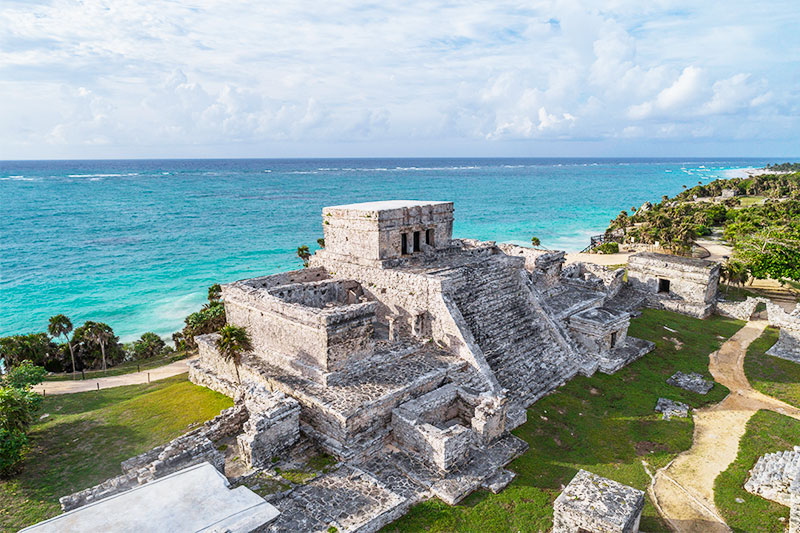
- For ocean views: Tulum wins (the only Mayan ruin facing the Caribbean)
Which Should You Choose?
Choose COBÁ if:
- You have the energy and the drive to explore actively
- You prefer nature and adventure over sea and sand
- You want to see the tallest Mayan pyramid in Yucatán
- Huge crowds bother you
- You have 3+ hours available
- You want the experience of touring by bike
Choose TULUM if:
- You want to combine culture + beach in one place
- You're short on time (1-2 hours is enough)
- You prefer the iconic photo of ruins facing the sea
- You're traveling with people with limited mobility
- You're already on the beach in Tulum anyway
- You're looking for the most "Instagrammable" option
💡 PRO TIP: Visit BOTH on the same day! They're 45 minutes apart. The perfect plan:
- 8:00 AM: Tulum (arrive at opening, few people)
- 10:00 AM: Tulum beach (30 min)
- 11:00 AM: Drive to Cobá
- 12:00 PM-3:00 PM: Explore Cobá by bike
- 3:30 PM: A cenote near Cobá
- 5:00 PM: Head back
An epic full day: Oceanfront ruins + a jungle pyramid + a cenote = an unforgettable triple Mayan experience.
🚴 Exploring Cobá by Bike: The Best Experience
One of the most unique things about Cobá is that you can tour the archaeological site by bike. Unlike other sites where you can only walk, here you pedal among Mayan ruins through the jungle. It feels like a real expedition.
Why Rent a Bike?
- ✅ Long distances: It's 5 km between the entrance and Nohoch Mul
- ✅ Saves energy: Walking everywhere under the sun is exhausting
- ✅ More time exploring: You get there fast and can see more structures
- ✅ A fun experience: You'll feel like an explorer in the jungle
- ✅ Affordable: Just $50 pesos for the whole day
- ✅ Unique photos: Bike + pyramid + jungle = a memorable shot
Ways to Get Around Cobá:
1. Individual Bike ($50 pesos)
- Ideal for: Solo travelers, couples, groups of friends
- Advantages: Total freedom, your own pace, affordable
- Disadvantages: You have to pedal (obviously)
- Fitness level: Basic (mostly flat paths)
- Time to Nohoch Mul: 8-10 minutes of pedaling
2. Tricycle with a "Driver" ($150-250 pesos)
- Ideal for: Families, seniors, anyone who doesn't want to pedal
- Advantages: Relaxed, informative (basic guide), up to 3 people
- Disadvantages: More expensive, you go at the driver's pace
- Fitness level: None required
- Experience: The local "drivers" share stories along the way
3. Walking (Free)
- Ideal for: Purists, very tight budgets
- Advantages: Free, total contact with nature
- Disadvantages: 5 km there + 5 km back = 10 km under the sun
- Time to Nohoch Mul: 40-60 minutes on foot
- Reality check: Only 10-15% of visitors walk the whole way
The Bike Route:
Main Path (Entrance → Nohoch Mul):
- 📏 Distance: 2.5 km one way
- ⏱️ Time: 8-12 minutes at an easy pace
- 🛤️ Surface: Packed dirt path, mostly flat
- 🌳 Shade: 60% of the path is shaded by trees
- 📸 Stops: Several structures and lookout points along the way
Recommended Stops Along the Way:
- Cobá Group (start): Ball Court, La Iglesia
- Mayan stelae (km 1): Carved monuments with hieroglyphs
- Crossroads (km 1.5): Choose Nohoch Mul or Macanxoc
- Secondary structures (km 2): Small pyramids in the jungle
- Nohoch Mul (km 2.5): The great pyramid
Tips for the Bike Experience:
1. Arrive Early and Rent Right Away
Bikes are limited. If you arrive after 10 AM in high season, they could run out. Rent one as soon as you get in.
2. Check the Bike Before You Set Off
- Brakes working properly
- Seat at a comfortable height
- Tires inflated
- Bell (to warn pedestrians)
- Handy basket (for your backpack)
3. Take It Easy
It's not a race. Pedal slowly, enjoy the jungle, and stop to see the structures. The path has some roots and rocks.
4. Stay Hydrated
Carry your water bottle in the basket or your backpack. Even while pedaling, you'll sweat from the heat.
5. Watch Out for the Sun
Wear a cap or hat and sunscreen. Parts of the path have no shade.
6. Respect Pedestrians
The path is shared. Use your bell to let people know you're coming, and slow down as you pass.
7. Leave Your Bike at the Nohoch Mul Parking Area
There's a designated area to leave bikes while you explore the pyramid on foot.
8. Explore Alternate Routes
If you have time, take the detour to the Macanxoc Group or the Paintings Group. Fewer people, more adventure.
9. Take Photos with Your Bike
Bike + pyramid + jungle = a great photo. Lots of visitors take this iconic shot.
10. Return It When You're Done
There's no time limit while you're inside. Return it when you leave the archaeological site.
Bike Safety:
- ✅ Safe paths with no vehicle traffic
- ✅ Controlled speed (nobody goes fast)
- ✅ INAH staff on site
- ⚠️ Watch out for protruding roots
- ⚠️ Brake on tight curves
- ⚠️ Don't use your phone while pedaling
Is It Good for Kids?
YES, it's perfect for kids:
- Kids 8+ can pedal their own bike
- Little ones ride in a tricycle with adults
- They love the adventure of exploring by bike
- It makes the visit more fun for them
- Fewer complaints about being tired
Comparison: Bike vs. Walking vs. Tricycle
| Factor | Bike | Tricycle | Walking |
|---|---|---|---|
| Price | $50 | $150-250 | Free |
| Time | ⭐⭐⭐⭐⭐ | ⭐⭐⭐⭐ | ⭐⭐ |
| Effort | ⭐⭐ | ⭐ (minimal) | ⭐⭐⭐⭐⭐ |
| Fun | ⭐⭐⭐⭐⭐ | ⭐⭐⭐ | ⭐⭐ |
| Flexibility | ⭐⭐⭐⭐⭐ | ⭐⭐⭐ | ⭐⭐⭐⭐⭐ |
| For kids | ⭐⭐⭐⭐⭐ | ⭐⭐⭐⭐⭐ | ⭐⭐ |
The Verdict:
95% of visitors rent a bike or tricycle, and for good reason. It turns the experience from "visiting ruins" into "an adventure in the jungle." For just $50 pesos, it's the best thing you can do in Cobá.
💡 PRO TIP: If you're traveling as a couple, rent 2 individual bikes instead of 1 tricycle. It's cheaper ($100 vs. $150-250), you get more freedom, and pedaling together through the Mayan jungle is more fun.
🍽️ Where to Eat Near Cobá
At the Archaeological Site:
Restaurant at the Cobá Entrance
- Location: Just outside the main entrance
- Type: Yucatecan buffet
- Price: $180-250 pesos per person
- Food: Cochinita pibil, poc chuc, sopa de lima
- Pros: Convenient, authentic regional food
- Cons: Geared toward tours (can be packed 12-2 PM)
In Cobá Village (1 km):
1. Restaurante La Pirámide
- Price: $120-200 pesos
- Specialty: Traditional Mayan food
- Try: Pollo pibil, frijol con puerco (pork with beans)
- Atmosphere: Family-friendly, local
2. Nixtamal
- Price: $100-180 pesos
- Specialty: Yucatecan home cooking
- Try: Panuchos, salbutes
- Atmosphere: Simple, authentic
3. Kinich Cobá
- Price: $150-250 pesos
- Specialty: Regional dishes
- Try: Sopa de lima, pescado al pastor (al pastor-style fish)
- Atmosphere: More touristy but good quality
Budget Options:
Village Taquerías
- Price: $50-100 pesos
- Food: Tacos, tortas (Mexican sandwiches), quesadillas
- Ideal for: Tight budgets
Corner Stores/Oxxo
- Snacks, drinks, sandwiches
- $30-80 pesos
- For a quick bite
Yucatecan Dishes You Have to Try:
- Cochinita Pibil: Pork marinated in achiote and cooked underground
- Poc Chuc: Grilled pork with onion and sour orange
- Sopa de Lima: Chicken broth with Yucatecan lima (NOT regular lime)
- Panuchos: Fried tortillas stuffed with beans and topped with cochinita
- Salbutes: Similar, but the tortilla isn't stuffed
- Papadzules: Egg tacos in pumpkin seed sauce
- Agua de Jamaica (Hibiscus Water) or Horchata: Refreshing drinks
Dining Tips:
- Bring cash (many places don't accept cards)
- Eat AFTER visiting the ruins (not before, or you'll feel heavy)
- Ask for the spicy sauce on the side if you can't handle much chili
- Main mealtime: 1-3 PM (everything's open)
- Standard tip: 10-15%
📋 Important Rules and Restrictions
Archaeological Site Rules:
✅ ALLOWED:
- Personal photos and videos (phone, regular camera)
- Climbing the Nohoch Mul pyramid
- Renting bikes or tricycles
- Small backpacks
- Water bottles (preferably reusable)
- Discreet snacks
❌ PROHIBITED:
- Touching stelae, carvings, or structures
- Climbing unauthorized structures
- Drones (without a special INAH permit)
- Professional photo equipment (tripods, lighting) without a permit
- Food inside the structures
- Smoking
- Alcohol or drugs
- Littering (take your trash with you)
- Pets (except certified service dogs)
- Bikes or vehicles not rented on site
- Loud musical instruments
- Speakers
Rules for Climbing Nohoch Mul:
- One person per step (no going two by two)
- Go up one side and down the other (when it's crowded)
- Use the central rope
- No running
- No pushing
- Supervise children at all times
- Don't sit on the edges
- Don't throw objects from the top
Visitor Code of Ethics:
- Respect the heritage: These structures are 1,400+ years old
- Leave no trace: Only photos, only memories
- Zero trash: Whatever you bring in, you take out
- Respect other visitors: Keep your voice down and don't block photos
- Respect the wildlife: Don't feed or chase the animals
- Respect the plants: Don't pull up plants or leave the trails
- Education: If you see someone breaking the rules, report it discreetly
Penalties:
Breaking the rules can result in:
- Immediate removal from the site
- Fines of $2,000-50,000 pesos
- Confiscation of equipment
- In serious cases: Legal action
Important Note About the Future:
⚠️ The chance to climb Nohoch Mul could end at any time. INAH is constantly evaluating the wear on the structure. If there's significant deterioration or accidents, they could close access as they did at other pyramids. So if you want to experience it, don't put it off.
❓ Frequently Asked Questions About Cobá
Can you climb the Cobá pyramid?
NO, it's not currently allowed. INAH (Mexico's National Institute of Anthropology and History) closed access to Nohoch Mul to preserve the structure. For many years you could climb it (which is what made it unique), but for heritage conservation reasons, you can now only admire it from below.
Why was it closed?
- Accumulated wear from millions of visitors
- Preservation for future generations
- A protocol similar to the one applied at Chichén Itzá and Teotihuacán
- Structural damage from constant use
Is Cobá still worth visiting? ABSOLUTELY. The pyramid is impressive from below, and Cobá offers much more: biking through 80 km² of jungle, seeing 6,500 structures, less mass tourism, and an authentic experience.
Is it dangerous to visit Cobá?
NO, it's very safe. The paths are well marked, INAH staff are on site, and the bikes move slowly. The only "dangers" are:
- Heatstroke (prevent it: stay well hydrated and go early)
- Bike falls (very rare, since the terrain is flat)
- Mosquitoes (use repellent)
Thousands of families visit Cobá every month without any problems.
Can young children climb?
Technically YES, but with some considerations:
- Under 6: Not recommended (very dangerous)
- 6-12 years old: Only with VERY close supervision
- 12+ years old: Generally fine, with clear instructions
Many families climb with kids without any trouble, but it's up to parents to assess what their children can handle. Keep in mind that some kids are afraid of heights.
What happens if it rains while I'm at the top?
If it rains:
- The steps get VERY slippery
- INAH staff may temporarily close access
- If you're already at the top, wait for it to clear up
- If you've already started down, do it VERY CAREFULLY
- Always use the rope
TIP: Check the weather beforehand. If a storm is forecast, go early or change your day.
How many calories do you burn climbing Cobá?
Approximately:
- Climbing the pyramid: 150-200 calories
- Coming down: 100-150 calories
- Walking/biking around the site: 200-400 calories
- TOTAL: 450-750 calories over the whole visit
It's moderate-to-intense exercise, equivalent to 30-40 minutes of cardio.
Are there restrooms in Cobá?
YES, there are restrooms:
- At the entrance (before you go in)
- Inside the site (limited)
- Cost: Generally included with admission, though some charge $5-10 pesos
- TIP: Use the restroom BEFORE you start your visit
Is there cell service?
Service varies:
- At the entrance: YES (good)
- Inside the site: Spotty
- On the pyramid: Generally YES (you're up high)
- In remote areas: Little or none
TIP: Download offline maps before you go.
Can I go on my own or do I need a tour?
You can ABSOLUTELY go on your own if:
- You have transportation (car, colectivo)
- You don't mind exploring without a guide
- You want freedom with your schedule
The site has signs and maps, and the pyramid is hard to miss. A guide adds historical context but is NOT necessary.
Is Cobá on the Tren Maya route?
YES. There's a Tren Maya (Maya Train) station near Cobá (opened in 2023). This could increase tourism significantly, so visit BEFORE it gets as crowded as Chichén Itzá.
Can you camp in Cobá?
NO. Camping isn't allowed inside the archaeological site. But Cobá village has hotels and budget cabins if you want to stay nearby.
Is Cobá accessible for people with disabilities?
Partially:
- Entrance and Cobá Group: Relatively flat paths
- Nohoch Mul Pyramid: NOT accessible (requires climbing)
- Tricycles: Available (they help with mobility)
- Restrooms: Some are adapted
People with limited mobility can enjoy parts of Cobá, but the full experience (climbing the pyramid) isn't accessible.
Is Cobá or Ek Balam better for climbing?
Both allow climbing, but:
- Cobá: Taller pyramid (42m), bigger, better known
- Ek Balam: Better preserved, original stucco visible, less touristy
My recommendation: If you can only do 1, go with Cobá. If you have time, visit both!
🎯 Conclusion: Why You Shouldn't Miss Cobá
In a world where Chichén Itzá gets 15,000 visitors a day and Tulum has turned into an influencer parade, Cobá remains the hidden gem of the Riviera Maya.
Cobá offers you what other archaeological sites no longer can:
- ✅ An authentic experience without mass tourism
- ✅ The tallest pyramid in Yucatán (42 meters) in all its splendor
- ✅ 80 km² of ruins wrapped in untouched jungle
- ✅ The unique adventure of pedaling among Mayan pyramids
- ✅ 6,500 structures (only 10% excavated = a sense of discovery)
- ✅ Wildlife in its natural habitat
- ✅ An affordable price ($95 pesos admission + $50 bike)
- ✅ A genuine connection with the Mayan world, free of distractions
- ✅ Spectacular photos with no crowds ruining them
It's true: You can no longer climb Nohoch Mul. But if that were the only valuable thing about Cobá, it wouldn't be on this list. The reality is that Cobá offers something no other Mayan site has: the combination of architectural grandeur, untouched nature, and the freedom to explore at your own pace without feeling like cattle on a mass tour.
When you're pedaling along ancient paths, surrounded by jungle, listening to howler monkeys and coming across a vegetation-covered pyramid few people know about, you'll understand why travelers looking for real experiences choose Cobá over the more "popular" options.
The most special archaeological sites aren't the ones that show up in every travel guide; they're the ones where you can still feel the magic without rubbing elbows with thousands of people. Cobá is that place.
Before the Tren Maya makes it as famous as Chichén Itzá, before the crowds discover how special it is, before it turns into another overrun destination... go now.
Ready for an adventure in the Mayan jungle? 🗿🌴🚴
And after your visit, cool off in one of the nearby cenotes. It'll be the perfect Riviera Maya day, one you'll remember forever.